Introduction #
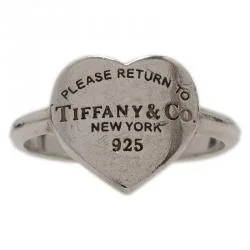
Professional jewelry cleaning isn’t cheap, and if you’re rotating between a few well-loved pieces, those appointments add up fast. The good news: most of what a jeweler does with an ultrasonic machine and steam, you can approximate at home with a soft cloth, warm water, and about ten minutes. The catch is that “cleaning jewelry” isn’t one method — silver, gold, platinum, and gemstones each react differently to the same products, and using the wrong one is how people end up with dull finishes, loosened stones, or a $40 pearl necklace with an etched, cloudy surface.
This guide breaks down what actually works for each material, what to avoid, and where at-home care hits its limit and a professional needs to step in.
Prevention: How to Avoid Scratches and Damage #
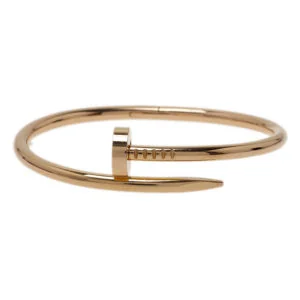
Most jewelry damage isn’t from wear, it’s from the fifteen minutes before and after you wear it.
- Apply lotion, perfume, and hairspray before putting jewelry on. Alcohol-based sprays and fragrance oils are common culprits behind discoloration on gold and silver alike, and they build up invisibly over weeks.
- Take rings and bracelets off before cleaning products, chlorinated pools, or hot tubs. Chlorine is particularly aggressive on gold alloys and can pit or weaken prong settings over time.
- Store pieces separately on soft-lined surfaces, not tossed together in a drawer. Metal-on-metal or metal-on-stone contact is one of the most common causes of surface scratching.
- Remove jewelry before sleeping, exercising, or doing manual tasks. Impact damage to prongs is far more common than most people expect, and it’s rarely covered by a simple cleaning.
- Book a professional cleaning and inspection once or twice a year regardless of how diligent your at-home routine is. This catches loose stones and worn prongs before they become lost-stone situations.
How to Clean Silver Jewelry at Home #
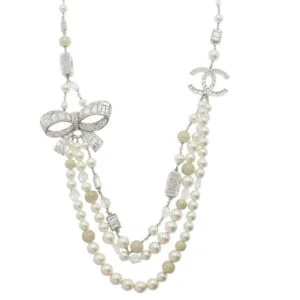
Sterling silver is soft and reactive, which is exactly why it tarnishes and why it scratches so easily.
Storage matters as much as cleaning. Keep sterling silver in an anti-tarnish bag or cloth rather than open air, since tarnish is a chemical reaction with sulfur compounds in the atmosphere, not just dust settling on the surface.
For light tarnish and everyday dust: wipe with a soft, 100% cotton, lint-free cloth, or a treated silver polishing cloth. Skip paper towels entirely — even soft-looking paper contains wood fibers that leave micro-scratches on a metal this soft, and so do coarse or synthetic fabrics.
For heavier tarnish: mix three parts baking soda to one part water into a paste. Wet the piece, apply the paste with a soft cloth, and rub gently — silver scratches under pressure faster than most people assume, so this is a job for light, patient strokes, not scrubbing. Rinse thoroughly and dry immediately, since lingering moisture accelerates tarnish.
Skip toothpaste as a silver polish, despite the popular tip. Most formulas contain mild abrasives fine for enamel but rough enough to dull a soft metal finish over repeated use.
How to Clean Gold Jewelry at Home #
Gold’s biggest enemy at home isn’t tarnish, it’s soap film and glue failure on fashion pieces.
The seltzer soak method: add a few drops of mild dish soap to a small bowl of sodium-free seltzer water or club soda. Soak the piece for about five minutes, then work a soft toothbrush into settings and crevices where buildup hides. Lay pieces upside down afterward so moisture drains away from settings rather than pooling in them.
Always remove gold before showering. Soap residue forms a thin film on karat gold that leaves it looking dull rather than damaged — an easy fix in theory, but one people often mistake for the piece needing a “deep clean” it doesn’t actually need.
Fashion jewelry with glued stones is a different case entirely. Never soak these pieces; the seltzer soak is for solid metal and prong-set stones only. Instead, dampen a cloth in the sodium solution, gently wipe away grime, then follow with a cloth dampened in plain water. Glue softens with prolonged moisture exposure, so speed and a light touch matter more than thoroughness here.
Platinum, rose gold, and gold vermeil: what’s different #
- Platinum is denser and more scratch-resistant than gold, but it develops a matte “patina” from micro-scratches over time — this is normal wear, not damage, and many owners choose to leave it rather than have it re-polished to a mirror finish.
- Rose gold gets its color from a copper alloy, which makes it slightly more prone to tarnishing than yellow gold. The seltzer soak still works, but dry it thoroughly and avoid prolonged skin contact with lotions containing sulfur or high acidity.
- Gold-plated and vermeil jewelry has only a thin layer of gold over a base metal (vermeil specifically over sterling silver). Skip soaking entirely — even mild soap solutions can accelerate wear on the plating with repeated exposure. Wipe with a dry, soft cloth only, and never use polishing cloths designed for solid gold, since they’re mildly abrasive and will thin the plating faster.
Caring for Gemstones, Pearls, and Fashion Jewelry #
This is where most generic “jewelry cleaning” advice falls apart, because gemstones aren’t metal and don’t behave like it.
Diamonds are hard enough to handle the dish soap and warm water soak safely, plus gentle toothbrush work around the setting. They’re one of the few stones that tolerates this kind of cleaning well.
Soft or porous stones need a completely different approach. Opals, turquoise, and emeralds are porous or structurally delicate, and even brief soaking can cause clouding, color change, or internal fracturing. For these, stick to a barely damp cloth and skip soap solutions and ultrasonic cleaners entirely — this is also where jewelers most often see accidental damage from well-meaning at-home cleaning.
Pearls are organic and genuinely soft, closer in hardness to your fingernail than to a mineral. Store them separately in a fabric-lined box or pouch, never tossed in with metal jewelry, since even light contact causes nicks. Skin acid gradually eats into pearl luster over time, so wipe them with a soft cloth, damp or dry, after each wear rather than soaking. Never use soap, ammonia, or ultrasonic cleaners on pearls.
Costume jewelry, rhinestones, and beaded or leather pieces need the gentlest handling of the group. Rhinestones are typically glue-set into base metal, so treat them like the glued fashion pieces above: a barely damp cloth, no soaking. Beaded jewelry strung on silk or cotton thread weakens when wet, so clean beads individually with a dry cloth rather than submerging the whole piece. Leather cords and clasps should never get wet at all — moisture dries leather out and causes cracking well before it looks dirty.
When to See a Professional Jeweler #
At-home care handles surface dirt, tarnish, and film. It does not catch structural problems, and that’s the actual value of a professional visit.
A jeweler checks prong tightness, clasp wear, and whether stones have shifted in their settings — none of which is visible from the outside, and all of which are how stones actually get lost. An annual or biannual inspection, even on pieces you clean regularly at home, catches this before it becomes a lost-stone repair bill that costs more than a decade of cleanings combined.
It’s also worth a professional visit if a stone looks suddenly cloudy or a metal has discolored unevenly despite regular care — that’s often a sign of a reaction to a specific product, not just normal wear, and it’s easier to correct early.
DIY Jewelry Cleaning Solutions You Can Make at Home #
For solid gold and platinum: mild dish soap + sodium-free seltzer water, five-minute soak, soft toothbrush for detail work.
For sterling silver tarnish: three parts baking soda to one part water, applied as a paste with light pressure, rinsed and dried immediately.
For a quick everyday wipe (most metals): a soft, lint-free cotton cloth is often all that’s needed between deeper cleanings and carries essentially no risk.
What to skip: vinegar and lemon juice show up often in home-remedy lists, but their acidity is too aggressive for pearls, porous stones, and plated pieces, and can even etch softer metals with repeated use. Toothpaste has the same abrasive problem on silver mentioned above. If a “hack” involves anything acidic or abrasive, it’s safer reserved for household surfaces, not jewelry.
A simple supply kit worth keeping on hand #
- Soft, 100% cotton lint-free cloths (a few, kept separate from household cloths)
- A dedicated anti-tarnish cloth or bag for sterling silver
- Mild, unscented dish soap
- Baking soda
- Sodium-free seltzer or club soda
- A soft-bristled toothbrush, used only for jewelry
- Small glass or ceramic bowls (avoid metal bowls, which can scratch pieces on contact)
FAQ #
How often should I clean my jewelry at home? A quick wipe after each wear prevents most buildup. A fuller cleaning (soak or paste method) every two to four weeks is enough for pieces worn regularly; less for jewelry worn occasionally.
Can I use an ultrasonic cleaner at home? For solid gold, platinum, and diamonds, generally yes. For pearls, opals, turquoise, emeralds, and glued fashion pieces, no — the vibration can loosen glue, fracture porous stones, or damage pearl surfaces.
Is toothpaste actually safe for cleaning jewelry? Not recommended despite the popular tip. Most toothpaste contains mild abrasives that are fine for enamel but will dull silver and scratch softer stones over repeated use.
What household items should I avoid using on jewelry? Vinegar, lemon juice, ammonia-based cleaners, chlorine bleach, and toothpaste. All are either too acidic, too abrasive, or both for at least one common jewelry material.
How do I know if a stone is too soft or porous for soap and water? As a rule of thumb: opals, turquoise, emeralds, and pearls should only get a damp-cloth wipe, never a soak. Diamonds and most hard gemstones tolerate a mild soap soak fine.
Why does my gold jewelry look dull even though I clean it? Usually a soap film from wearing it in the shower or while washing hands. Removing gold before contact with soap and water prevents this buildup in the first place.
Related Articles #
- How to Care for a Hermès Bag: Expert Maintenance Guide
- Chanel Costume Jewelry Under $500: Buyer’s Guide
- Fall Fabric Trends 2024: Velvet, Brocade & Silk Guide
- Popular Handbag Brands: Which One Is Right for You?
- Why the Chanel Crossbody Bag Never Goes Out of Style
Related guides
- Online Bag Authentication: What Photos Can and Cannot Prove
- Inside a Million-Dollar Closet: Pre-Loved Hermès & More
- Meet Marwa Azzam Aldabbagh: Kelly Bag Authentication Expert
- Luxury Handbag Authentication Process Explained
- How to Buy an Authentic Luxury Bag from China Safely
- New vs Pre-Owned Luxury Bags: Which Route Is Right for You?
- Chanel Bag Guide: What to Know Before You Buy
- Luxury Bag Houses


Keyword index