Introduction #
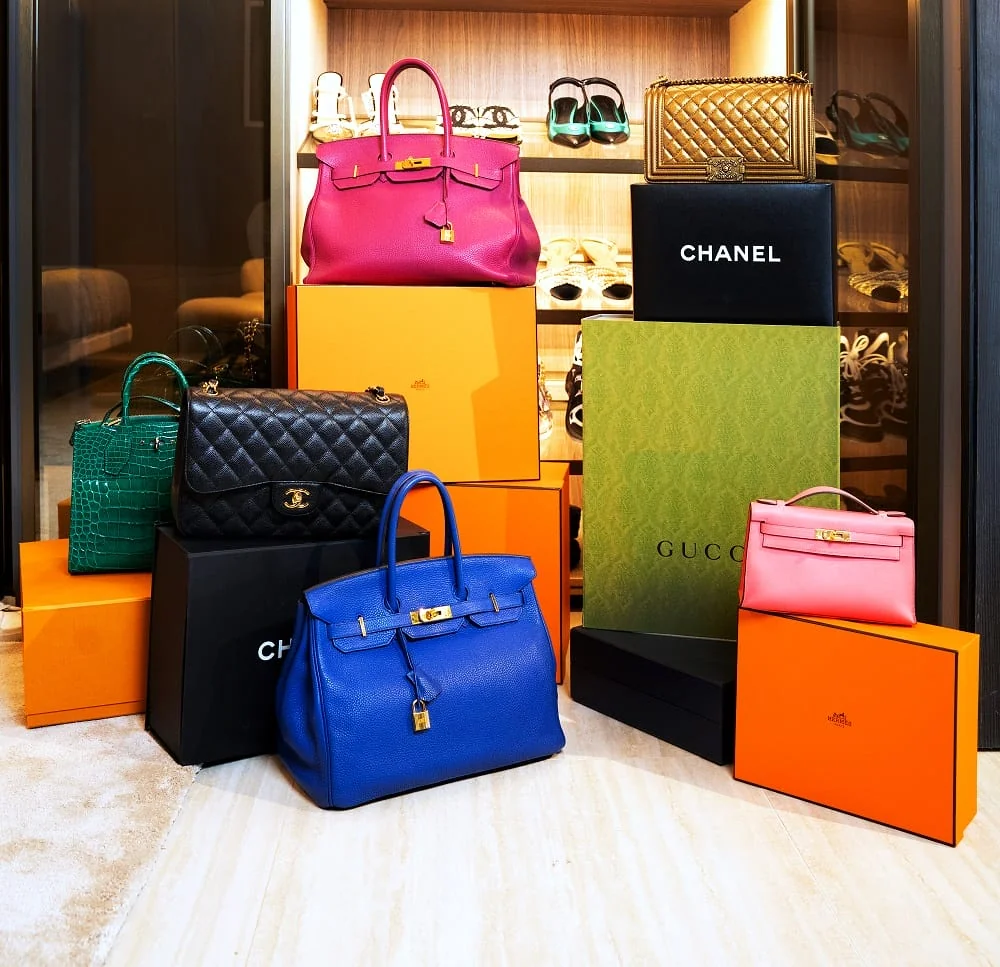
There’s a particular kind of satisfaction in carrying a bag that already has a life behind it. A Kelly with softened corners, a Classic Flap with a patina that only comes from years of use, a Birkin that’s been someone’s daily companion before it becomes yours. Buying pre-loved designer purses isn’t just a budget move anymore, it’s often the smarter move, especially for buyers who understand that a well-kept Hermès or Chanel piece holds value in a way that fast fashion never will.
That said, the secondhand luxury market rewards preparation and punishes shortcuts. The same features that make these bags desirable, hand-stitched leather, solid brass hardware, precise stamping, are exactly what counterfeiters try to replicate, and they’ve gotten good at it. This guide walks through the practical mechanics of buying secondhand: what to check before you spend a dollar, how to authenticate a bag with your own eyes, which platforms are worth your trust, and where the real investment value lives in today’s resale market.
Before You Buy: Budget, Style, and Knowing the Classics #
Set a number and hold to it #
Online shopping strips away the friction of spending real money. A $6,000 Birkin on a screen feels abstract in a way that handing over cash never does, and that psychological gap is how buyers end up overspending or settling for a bag they didn’t actually want. Decide on your ceiling before you start browsing, including a buffer for authentication services or minor repairs, and treat that number as fixed.
Buy for your actual wardrobe, not your aspirational one #
The most expensive bag in the world is the one that sits in your closet because it doesn’t go with anything you own. Before shopping, look at your rotation: what colors dominate, how often you dress casually versus formally, whether you need a crossbody for daily errands or a structured top-handle for work. A black Chanel Flap earns its keep across almost any wardrobe. A neon exotic-skin Birkin is a showpiece that only works for a specific kind of life. Be honest about which one you’re actually living.
Learn the difference between trendy and timeless #
Trend-driven bags lose resale value fast once the moment passes. Classics don’t, because demand for them regenerates every season regardless of what’s on the runway. The Hermès Birkin and Kelly, the [[[Chanel Classic Flap](/buying-guides/designer-must-have-bags/)](/buying-guides/chanel-flap-bag-buying-guide/)](/buying-guides/classic-and-chic-handbags-style-icons/), and the Louis Vuitton Alma have stayed in steady demand for decades, which is exactly why they anchor the next section. If you’re shopping with any eye toward resale down the line, spend your budget on longevity over novelty.
Iconic Designer Bags Worth the Investment #
Hermès Birkin and Kelly #
These two carry the strongest resale performance in the entire luxury bag market, and the reason is structural, not just aesthetic. Hermès deliberately limits Birkin and Kelly production, there’s no walk-in retail purchase, and waitlists (unofficial as they are) can run years. That scarcity means secondhand prices for popular sizes and leathers, Togo 30cm Birkin, Epsom 28cm Kelly, routinely sit at or above original retail, particularly in neutral colors like Black, Etoupe, or Gold. Exotic skins (crocodile, alligator) push this further, sometimes trading well above retail even with visible wear, because the exotic waitlist is even longer than the standard leather one.
Chanel Classic Flap #
The Classic Flap has had a different trajectory. Chanel has raised prices aggressively over the past several years, in some markets more than doubling since 2019, which has actually widened the gap between retail and resale rather than closing it. A well-kept medium Classic Flap in black caviar leather with gold hardware from a few years ago can sell secondhand for close to, or occasionally above, what it cost new at the time, simply because current retail has climbed so much higher. This makes pre-loved Chanel one of the more compelling value arguments in the market right now, though newer or heavily discontinued hardware colors (like certain rose gold releases) can soften that math.
Louis Vuitton Alma #
The Alma is the steadier, less speculative choice of the three. It doesn’t command the scarcity premium Hermès does, and LV doesn’t restrict production the way Chanel and Hermès do for their icons, so resale prices track closer to a straightforward depreciation curve, typically landing at 40-60% of retail depending on material and condition. What it offers instead is reliability: consistent demand, easy authentication relative to other brands, and a structured shape that resists the kind of shape-loss that tanks resale value on slouchier bags. It’s a sound entry point for buyers who want investment-grade construction without the waitlist games.
How to Authenticate a Pre-Owned Designer Purse #
Authentication isn’t one check, it’s a pattern of small details that either all line up or start contradicting each other. Here’s what to physically examine.
Hardware #
Genuine hardware on Hermès, Chanel, and Louis Vuitton is heavy, evenly plated, and free of pitting or discoloration around the edges. Fakes often use lightweight zinc alloy that feels noticeably thinner in the hand. On Hermès pieces, check that the hardware is stamped correctly (some pieces carry a small blind stamp on the hardware itself) and that plating shows a warm, consistent tone rather than a yellowish or overly shiny finish. On Chanel, the CC turn-lock should have crisp, symmetrical lettering with no soft edges or uneven spacing between the two C’s.
Stitching #
Authentic luxury stitching is uniform in length, tension, and spacing, and the thread color should match or intentionally contrast in a way that looks deliberate. Count stitches along a seam on one side and compare to the other side of the same bag. Sloppy, uneven, or overly thick stitching, especially around handles and corners where stress concentrates, is one of the most reliable tells on a counterfeit.
Stamps and serial or date codes #
- Hermès: look for a blind stamp inside the bag (often near the strap attachment) showing a letter that corresponds to the production year, along with a craftsman’s stamp. Post-2015 bags typically show a two-letter code; earlier bags used a single letter in a specific font.
- Chanel: bags made before 2021 carry a serial number sticker (7-8 digits) under a plastic film inside the bag, paired with an authenticity card showing the same number. Bags from 2021 onward instead use a unique Chanel authenticity card verifiable through the brand’s app rather than a sticker, so a bag made in this period without a sticker isn’t automatically suspect.
- Louis Vuitton: look for a heat-stamped date code, usually two letters (factory location) followed by four numbers (week and year of manufacture), stamped directly into the leather on an interior panel or pocket. It should be crisp and even, never printed or stamped at an odd angle.
Materials and smell #
Genuine leather has a distinct, rich scent. Chemical or plastic-heavy smells are a red flag, particularly on bags marketed as full leather. Canvas on Louis Vuitton monogram pieces should feel slightly stiff and structured, not soft or pliable like vinyl.
Red flags that should stop a purchase outright #
- Blurry or inconsistent logo printing
- Date codes or serial numbers that don’t match the claimed production era
- Hardware with visible seams, rough edges, or inconsistent color
- A seller unwilling to provide close-up photos of stamps, interior tags, and hardware on request
What to Check During the Shopping Process #
Use filters deliberately, not just to browse #
Most resale platforms let you filter by brand, condition grade, material, and price. Use these to narrow the field before you start emotionally attaching to specific listings, this keeps impulse spending in check and surfaces bags you’d otherwise scroll past.
Read the condition report like a contract #
Condition grading isn’t standardized across platforms, so learn how each site defines its tiers before assuming “excellent” means the same thing everywhere. As a general benchmark:
- Pristine/New: unused, full original packaging, no signs of wear
- Excellent: light use, minimal corner wear, no interior staining
- Very Good/Good: visible wear on corners or handles, possible minor interior marks, fully functional hardware
- Fair: noticeable wear, possible repairs needed, priced accordingly
Cross-reference the written grade against the actual photos. A “very good” listing with heavy handle darkening in the images is a sign the seller (or platform) is grading generously.
Check seller credibility before checking the bag #
On peer-to-peer platforms, look at seller ratings, transaction history, and how they describe flaws. Sellers who proactively disclose scuffs, odor, or missing accessories are generally more trustworthy than listings with suspiciously perfect descriptions and stock photos instead of real images.
Request additional photos before buying #
Ask for close-ups of the interior stamp, hardware engravings, and any wear points not shown in the listing. A legitimate seller or platform will provide these without hesitation. Reluctance here is itself useful information.
Where and How to Buy with Confidence #
Prioritize platforms with in-house authentication #
Curated resale platforms that physically inspect every item before listing (rather than marketplaces where individual sellers list directly) carry meaningfully less counterfeit risk. This is worth paying a slightly higher margin for, since the authentication cost is baked into the price rather than left to the buyer to figure out after the fact.
Understand the return policy before you pay #
Pre-loved luxury doesn’t always come with the return flexibility of new retail. Some platforms offer a short inspection window (48-72 hours is common), others sell as final sale on discounted or heavily worn pieces. Confirm this before purchase, not after you’ve noticed a flaw the photos didn’t show.
Know what “authenticity guarantee” actually covers #
A guarantee should specify what happens if a bag is later found to be counterfeit, full refund, replacement, or store credit, and within what timeframe. Vague guarantees with no stated process are worth questioning.
After the bag arrives #
Inspect it immediately against the listing photos and condition report before any return window closes. Keep the receipt, authentication certificate, and any original packaging; these materially increase resale value later. Clean and store the bag according to the manufacturer’s material guidelines (dust bag, avoiding direct sunlight, conditioning leather periodically) rather than generic advice, since Hermès leathers, Chanel caviar, and LV canvas all have different care needs.
Step-by-Step Authentication Checklist by Brand #
Hermès #
- Confirm the blind stamp letter/code matches the claimed production year
- Check craftsman stamp is present and legible
- Inspect saddle stitching for even spacing and consistent thread tension
- Verify hardware weight and plating tone (should feel substantial, not light)
- Check that the leather grain matches the claimed type (Togo, Epsom, Clemence each have distinct textures)
Chanel #
- Locate the serial sticker (pre-2021 bags) or authenticity card (2021 onward) and verify the number format
- Check CC turn-lock for symmetrical, crisp lettering
- Inspect quilting for even diamond spacing across all panels
- Check the interior leather tag for correct font and placement
- Confirm the chain strap weight and link consistency
Louis Vuitton #
- Check date code format: two letters, four numbers, heat-stamped and even
- Confirm the letters correspond to a known factory location
- Inspect canvas texture for correct stiffness and monogram alignment at seams
- Check hardware for the LV engraving sharpness on zippers and clasps
- Verify stitching color matches the specific bag line (tan thread is standard on most monogram pieces)
Where to Buy: Platform Comparison Table #
| Platform Type | Authentication Process | Typical Fees | Return Window | Best For |
|---|---|---|---|---|
| Curated resale (in-house authenticated) | Physical inspection by trained staff before listing | Built into retail price, no separate buyer fee | Often 48-72 hrs inspection period | Buyers wanting authentication handled for them |
| Consignment boutiques | In-person authentication at drop-off | Seller pays consignment %, buyer pays listed price | Varies by store, often final sale | Buyers who want to inspect in person before paying |
| Peer-to-peer marketplaces | Third-party authentication add-on, often optional | Platform fee + optional authentication fee | Limited or none unless authentication add-on used | Buyers hunting for lower prices, willing to do more diligence |
| Brand-authorized pre-owned programs | Verified by the brand itself | Reflected in premium pricing | Standard retail-level return policy | Buyers prioritizing zero authentication risk |
The trade-off across all four is fairly consistent: more built-in authentication and return protection generally means a higher price, while marketplaces with looser vetting offer lower prices at the cost of more work (and more risk) on the buyer’s end.
FAQ #
Is buying a pre-loved designer purse actually cheaper than buying new? Often, but not universally. Hermès Birkins and Kellys frequently sell at or above original retail secondhand due to scarcity. Chanel Flaps can go either way depending on how much retail has risen since the bag’s production year. Louis Vuitton typically depreciates in a more predictable, retail-below pattern.
Can I authenticate a bag myself without paying for a service? You can catch obvious counterfeits using stamp, stitching, and hardware checks, but subtle high-quality fakes sometimes require professional authentication, particularly for high-value Hermès pieces. When in doubt on an expensive purchase, the fee for a third-party authentication service is cheap insurance.
What condition grade is worth paying near-retail prices for? Excellent condition with original packaging and receipt is the tier where near-retail pricing starts to make sense, especially for scarce Hermès pieces. Anything graded “Good” or below should carry a meaningful discount to reflect visible wear.
Do all resale platforms offer refunds if a bag turns out to be fake? No. This varies significantly and should be confirmed before purchase. Reputable platforms with in-house authentication generally offer a full refund guarantee; peer-to-peer marketplaces often don’t unless you’ve paid for an authentication add-on.
Related Articles #
- Replica vs Pre-Owned Bags: Which Is the Smarter Buy?
- How to Buy & Authenticate Pre-Owned Louis Vuitton Bags
- Luxury Fashion Investment: Why Pre-Loved Pays Off
- Hermès Leathers Guide: Togo, Epsom, Exotic Skins Explained
- Hermès Leathers Guide: Togo, Epsom, Exotic Skins Explained
Related guides
- Online Bag Authentication: What Photos Can and Cannot Prove
- Inside a Million-Dollar Closet: Pre-Loved Hermès & More
- Meet Marwa Azzam Aldabbagh: Kelly Bag Authentication Expert
- Luxury Handbag Authentication Process Explained
- How to Buy an Authentic Luxury Bag from China Safely
- New vs Pre-Owned Luxury Bags: Which Route Is Right for You?
- Chanel Bag Guide: What to Know Before You Buy
- Luxury Bag Houses

Keyword index