Introduction#
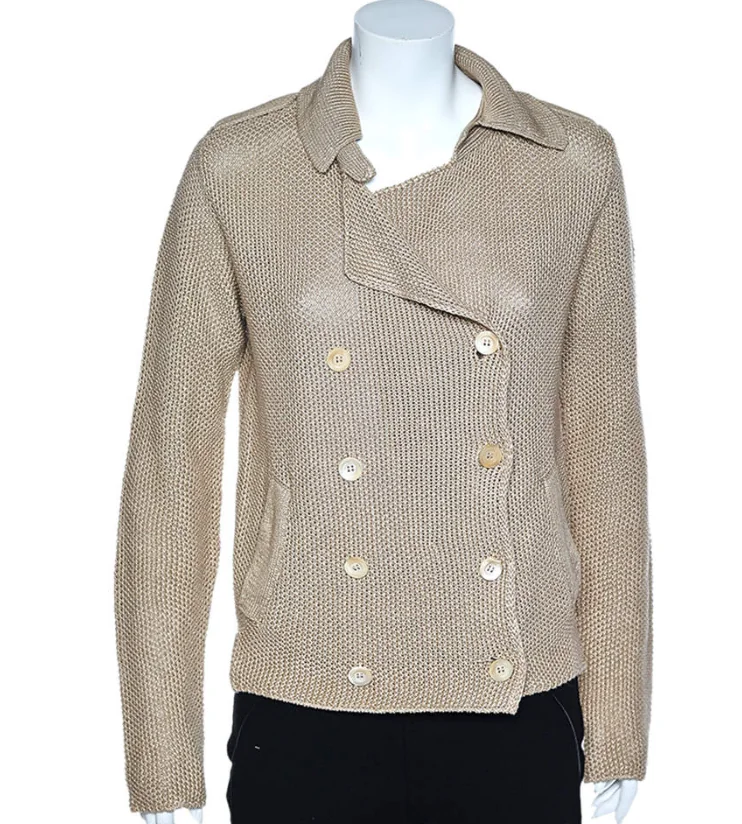
Five years ago, “luxury” and “comfortable” rarely showed up in the same sentence. Tailoring was tight, fabrics were stiff by design, and looking expensive usually meant looking a little uncomfortable. That equation has flipped. The best luxury casualwear brands in 2025 are the ones building their entire identity around soft tailoring, cashmere loungewear, and gender-neutral silhouettes that move as easily from a flight to a dinner reservation.
This shift isn’t just a runway trend — it’s a buying pattern. Shoppers researching luxury casualwear brands today are usually asking a specific set of questions: which houses actually deliver quality worth the price, what separates a $2,000 cashmere hoodie from a $200 one, and whether there’s a smarter way to get into these pieces than paying full retail. This guide answers all three, with an honest look at pros, cons, and where the pre-owned luxury market fits in.
Product Overview#
“Luxury casualwear” is a broad category, so it helps to break it down by tier rather than treat it as one homogenous market. Based on retail and resale pricing, fabric quality, and how these brands actually get worn day to day, the space splits into four rough groups:
- Ultra-Luxe Icons — Loro Piana, Brunello Cucinelli, and Hermès’s classic pieces. Minimal branding, maximum material cost.
- Couture Titans — Chanel, Louis Vuitton, and Hermès’s ready-to-wear casual line. Recognizable house codes applied to relaxed silhouettes.
- Directional Contemporary — brands like Balenciaga, which use casual formats (hoodies, tees, denim) as a vehicle for fashion statements rather than quiet comfort.
- Heritage Diffusion Lines — labels such as S Max Mara or Roberto Cavalli, which bring designer-level construction and print work at a slightly more accessible price point than the main couture houses.
Each tier answers a different question. Ultra-Luxe is about material and craft. Couture Titans is about brand recognition and resale value. Directional Contemporary is about cultural relevance. Heritage Diffusion is about getting genuine luxury construction without the flagship price tag.
Design#
What actually separates a luxury casual piece from a well-made basic isn’t always visible in a product photo. A few things consistently show up across the brands worth paying attention to:
- Restrained branding. The strongest pieces let the cut and fabric do the talking — a small woven tag or tonal embroidery instead of an oversized logo. Chanel’s logo-light knitwear and Hermès’s discreet horse embroidery are good examples of branding that reads as confidence rather than advertisement.
- Fluid, unstructured silhouettes. Oversized coats, drop-shoulder knits, and relaxed trousers are designed to move with the body rather than shape it. This is where gender-neutral luxury fashion has taken hold — Balenciaga’s unisex cotton separates are a clear case of one silhouette serving multiple wardrobes.
- Versatility by design. A well-designed luxury casual piece is meant to work across at least three contexts: travel, daytime errands, and low-key evening wear. If a $3,000 sweater only works for one occasion, that’s a design failure, not a luxury feature.
The tradeoff is that restrained design can look deceptively simple in photos. Shoppers new to this category sometimes feel underwhelmed until they see the drape and hand-feel in person — which is one reason returns are relatively common with first-time luxury casualwear buyers.
Materials#
This is where the price tags actually get justified, or don’t. Material quality is the single biggest differentiator between genuine luxury casualwear and fast-fashion imitations wearing similar silhouettes.
- Cashmere and baby cashmere. Loro Piana built its reputation on baby cashmere and vicuña, some of the softest and rarest fibers used in ready-to-wear. Brunello Cucinelli works primarily with cashmere blends sourced and finished in Italy, prioritizing hand-feel over shine.
- Merino wool and silk blends. These show up frequently in transitional-weight knitwear from Hermès and Chanel, chosen for drape rather than warmth alone.
- Technical cottons and linens. Loro Piana’s linen shirting and Hermès’s cotton sweatshirts prove that “luxury casual” doesn’t always mean knitwear — a well-woven cotton piece with clean construction can be just as elevated.
- Leather and fur trim detailing. Used sparingly on cardigans and jackets (Loro Piana’s mink-trimmed cashmere pieces, for instance) as an accent rather than the main material.
The honest caveat here: fiber quality alone doesn’t guarantee longevity. Cashmere pills, linen wrinkles, and pale colors show wear faster regardless of brand. Buying luxury materials means committing to proper care — cold hand-washing or specialty dry cleaning, cedar storage, and avoiding daily wear for delicate knits.
Pros and Cons#
Advantages:
- Genuinely superior fabric hand-feel and drape compared to mass-market alternatives
- Better construction longevity when cared for properly — a well-made cashmere piece can outlast a decade of seasonal fast-fashion knitwear
- Strong resale value for recognizable houses (Hermès, Chanel, Louis Vuitton hold value especially well on the pre-owned market)
- Gender-neutral cuts increase versatility and reduce the need for separate “his and hers” wardrobes
- Understated branding ages better stylistically than logo-heavy pieces from a decade ago
Disadvantages:
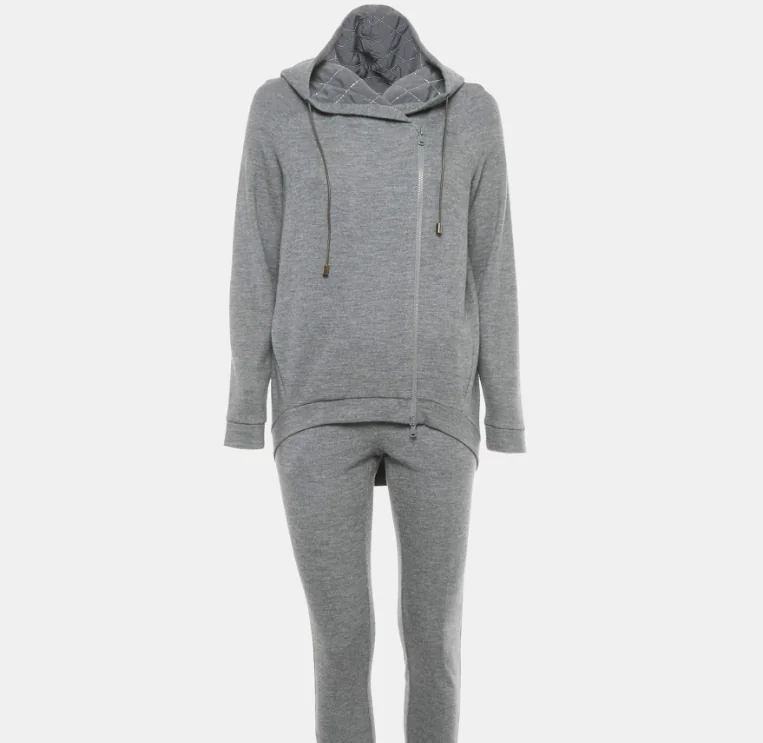
- Entry prices are genuinely steep — a Brunello Cucinelli hoodie and sweatpants set or a Loro Piana cardigan can run into the thousands even before resale markup
- Delicate fibers (baby cashmere, vicuña) require careful maintenance and are not ideal for daily heavy wear
- Sizing and fit can run inconsistent across brands, especially with oversized silhouettes that are hard to judge without trying on
- Some “quiet luxury” pieces look deceptively plain in photos, making online pre-owned shopping trickier without detailed material descriptions
- Directional brands like Balenciaga can date quickly if the design leans too heavily on a specific trend cycle
Who Should Buy#
Luxury casualwear tends to make the most sense for a few specific buyer profiles:
- Frequent travelers who need pieces that pack well, resist wrinkling, and look put-together after a long flight — Loro Piana’s technical linens and Hermès’s cotton knits fit this well.
- Minimalist wardrobe builders who prefer fewer, higher-quality pieces over frequent fast-fashion turnover.
- Resale-savvy shoppers looking for an entry point into major houses without buying handbags or formalwear first — casual pieces are often the most accessible category price-wise within a luxury brand’s range.
- Anyone shopping for gender-neutral pieces, since brands like Balenciaga and Louis Vuitton increasingly design unisex casualwear that suits shared or non-binary wardrobes.
It’s a poor fit for anyone who needs high-durability, low-maintenance clothing for physical daily wear (gym, manual work, kids underfoot) — that’s a case for performance or mid-range basics, not cashmere.
Alternatives#
If the Ultra-Luxe tier feels financially out of reach, there are reasonable step-downs within the same aesthetic:
- Instead of Loro Piana → look at Brunello Cucinelli for a similar “quiet luxury” feel at a marginally more accessible price point, or Max Mara’s core line for outerwear with comparable silhouette language.
- Instead of Hermès casual RTW → Chanel’s logo-light knitwear offers a similar restrained elegance with slightly easier resale availability.
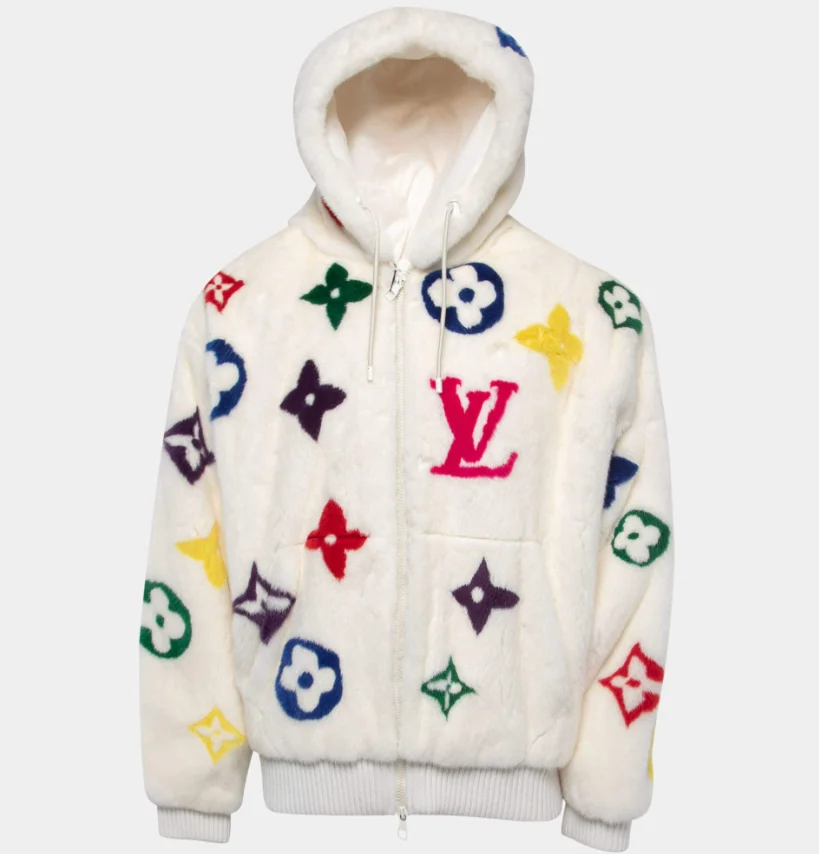
- Instead of Balenciaga’s directional pieces → Louis Vuitton’s monogram-accented casualwear delivers a comparable street-luxury hybrid with arguably broader resale liquidity.
- Instead of buying new at all → the pre-owned luxury clothing market (platforms like The Luxury Closet, Vestiaire Collective, and The RealReal) routinely lists these exact pieces at 30–60% below original retail, particularly for past-season colors and sizes.
Buying pre-owned is genuinely the most practical entry point for most people. Luxury casualwear, unlike handbags, doesn’t always hold sentimental “collector” premiums, which means secondhand pricing tends to reflect actual condition and demand rather than hype.
FAQ#
What defines luxury casualwear brands compared to regular high-end fashion? Luxury casualwear brands prioritize soft construction, premium natural fibers, and relaxed silhouettes over tailoring and formality. The focus is on comfort and versatility without lowering material or craftsmanship standards.
Is gender-neutral luxury fashion actually a long-term trend or a passing moment? It reflects a structural shift in how people shop rather than a seasonal trend. Brands like Balenciaga and Louis Vuitton have built unisex casual lines into their core collections rather than limited capsules, which suggests staying power.
What makes luxury casual clothing genuinely high quality? Fiber source (baby cashmere, long-staple cotton, quality linen), construction details like reinforced seams and clean finishing, and fit that holds its shape after multiple wears and washes.
Where can I buy pre-owned luxury casualwear online safely? Reputable resale platforms with authentication processes — such as The Luxury Closet, Vestiaire Collective, or The RealReal — are safer than unverified marketplace listings. Look for detailed material tags, measurements, and return policies before purchasing.
Are pre-owned luxury casual pieces a good value compared to new? Generally yes, especially for past-season pieces without major fashion-forward branding. Classic knitwear and basics from houses like Loro Piana or Hermès tend to hold their material quality well even secondhand.
Final Thoughts#
The rise of luxury casualwear isn’t a marketing gimmick — it reflects a real change in how people want to spend on clothing: fewer pieces, better materials, and more flexibility across occasions. The Ultra-Luxe tier (Loro Piana, Brunello Cucinelli, Hermès) delivers on fabric and craftsmanship but demands both budget and maintenance commitment. The Couture Titans and Directional Contemporary brands trade some of that quiet restraint for recognizability and cultural relevance.
None of this requires paying full retail to access. The pre-owned luxury market has matured enough that a well-chosen secondhand cashmere piece from a major house is often a smarter buy than a new piece from a lesser brand at the same price. Whichever tier fits your budget, the real test of “luxury casualwear” isn’t the label — it’s whether the piece still feels and looks good after the twentieth wear.
Related Articles#
- How Pre-Owned Luxury Fashion Is Reshaping the Industry
- Best Time to Buy a Luxury Handbag: Save More in 2025
- Classic and Chic Handbags: Timeless Style Icons
- Sell Designer Handbags in 2025: Get Paid More, Faster
- 10 Best Designer Handbags Worth the Investment (2026)
Related guides
- Online Bag Authentication: What Photos Can and Cannot Prove
- Fake Goyard Bag Guide: How to Spot Real vs Fake (2026)
- How to Spot a Fake Chanel Flap Bag: Authentication Guide
- How to Spot a Fake Hermès Birkin: Expert Checklist
- How to Buy an Authentic Luxury Bag from China Safely
- New vs Pre-Owned Luxury Bags: Which Route Is Right for You?
- Chanel Bag Guide: What to Know Before You Buy
- Luxury Bag Houses

Keyword index