Introduction#
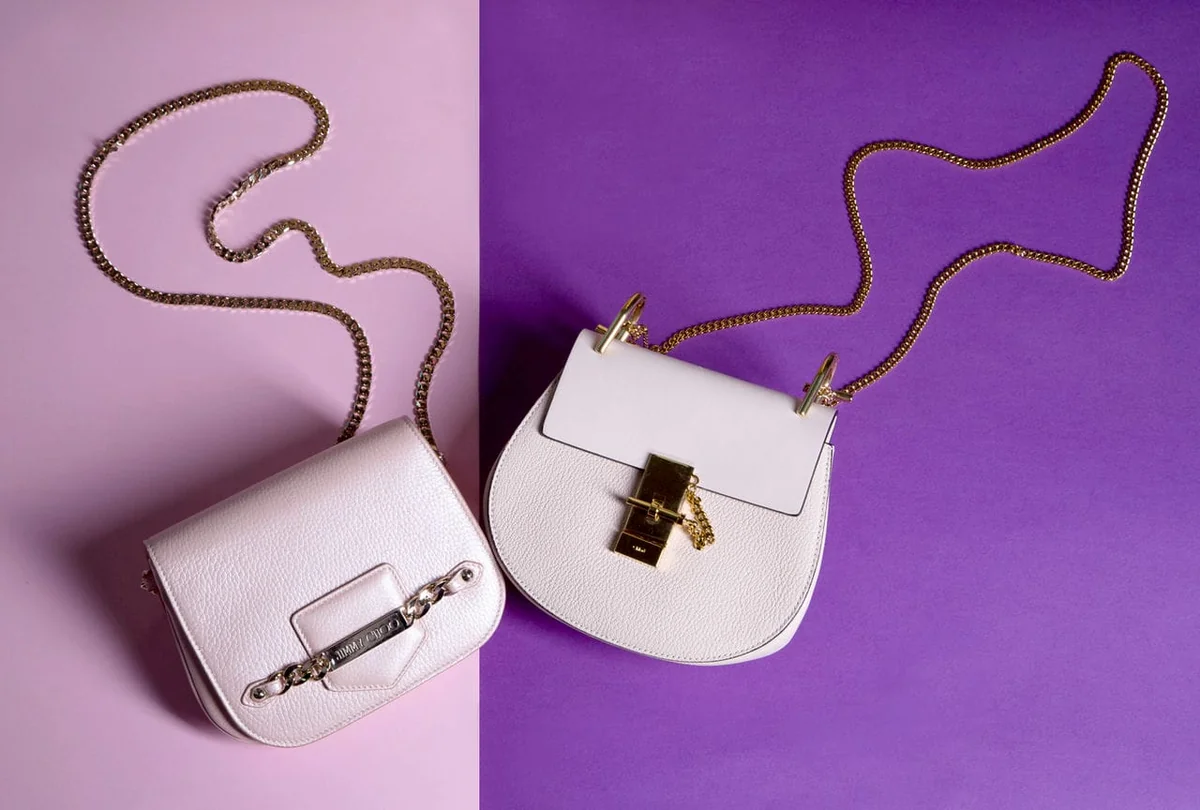
Some bags get called’it bags’ the moment a celebrity carries one down a cobblestone street. Most are forgotten within two seasons. A small, specific group becomes something else entirely — cultural shorthand, collector obsession, and in some cases, a more reliable store of value than a savings account.
This guide is not a trend roundup. It is a considered look at the it bags worth your money right now: the undisputed classics that have outlasted every cycle, the modern contenders that have earned genuine staying power, and a few current pieces worth watching. It also covers the parts most editorial guides skip — what things actually cost, what depreciates quietly, how fakes have improved, and why the pre-owned market often makes more sense than a boutique waitlist.
If you are serious about buying, this is where to start.
What Actually Makes a Bag an ‘It’ Bag?#
The term gets used loosely. In fashion press,‘it bag’ can mean anything from a Birkin to a nylon tote that appeared in three street style photos. It is worth being precise, because the difference between a true icon and a moment-of-hype bag can be tens of thousands of pounds in resale value.
A genuine it bag has a few consistent characteristics. First, a distinctive silhouette — something immediately recognisable from twenty metres, not because of a logo but because of the actual shape. The Birkin’s trapezoid with its signature clochette, the Kelly’s structured arch, the Classic Flap’s quilted rectangle: these are design achievements, not just branding exercises.
Second, a cultural moment thatcements it: the bag appears on the right arm at the right time and enters a broader conversation. The Birkin’s mythology runs through a1984 flight with Jane Birkin and Jean-Louis Dumas. The [Chanel Classic Flap](/buying-guides/vintage-chanel-finds-top-picks/) carries Coco Chanel’s revolutionary decision to free women’s hands. These stories have weight.
Third — and this is what separates icons from casualties — the bag survives its own hype. The Fendi Baguette had an enormous moment in the late 1990s, disappeared, and then genuinely came back. The Balenciaga City bag defined the mid-2000s and is only now recovering critical relevance. Many bags from2012 to 2016 have not recovered at all.
The honest criterion: does this bag have a strong resale market five years after its peak moment? If yes, it qualifies. If not, it was a trend.
The Undisputed Classics: Chanel, Hermès and the Bags That Started It All#
These are the bags that anchored the entire concept of the designer handbag as investment object. They are also the most scrutinised, most faked, and most complicated to acquire. Here is what you actually need to know.
Hermès Birkin#
There is no ranking of iconic designer handbags that does not start here. The Birkin has maintained and grown its value for four decades. Entry-level Togo or Clemence leather in a neutral colour — black, gold, etoupe — in the30cm size starts at approximately £8,500to £11,000 at retail. You are unlikely to simply walk into an Hermès boutique and buy one. The allocation system is real, it is opaque, and it rewards clients with existing purchase history.
The resale premium is significant. A basic B30 in Togo black will typically sell for £12,000 to £18,000 pre-owned in good condition. Exotic leathers — niloticus crocodile, alligator — command multiples of the base price and are genuinely uncapped at the top end.
Honest downside: The acquisition process is frustrating and can feel deliberately exclusionary. For first-time buyers, the pre-owned route through a specialist reseller is often more transparent and faster, even at a premium. Read our Hermès sourcing guide for realistic expectations.
What to check: Hardware hallmarks (year stamps inside the hardware screws from2015 onward), blind stamp location and font, stitching consistency, dust bag and box authenticity. See our full Hermès authentication guide.
Hermès Kelly#
The Kelly predates the Birkin and has a formal structure — a single top handle, a turn-lock closure, and an origin that runs back to Grace Kelly’s 1956 Life magazine cover. It is available in two silhouettes: the Kelly Sellier (rigid, structured) and the Kelly Retourné (softer, slightly casual). The Sellier is the more classic option; the Retourné is more wearable for everyday.
Retail pricing mirrors the Birkin. Resale is strong, particularly for the 28cm and 25cm sizes, which have seen disproportionate demand in recent years.
Who it suits: The Kelly is slightly more formal than the Birkin. It functions exceptionally as an evening bag in the 20cm or 25cm size, and as a structured work bag in the 28cm or 32cm.
Chanel Classic Flap#
The Classic Flap is the most accessible of the three in terms of acquisition — you can buy one from a Chanel boutique — and the most dramatically price-inflated over the past decade. In2020, a medium Classic Flap in lambskin with gold hardware retailed at approximately £4,200. It is now £9,400 at the time of writing. That is a 123% price increase in five years.
This matters for both buyers and resellers. The rapid retail price increases have compressed the resale premium on newer bags, but they have made bags purchased between 2015 and 2019 look extremely strong in retrospect.
Lambskin vs Caviar: Lambskin is softer and more beautiful; it also shows wear faster and is harder to maintain. Caviar leather is more durable and more practical. For a primary use bag, caviar is the sensible choice. For a bag you will use occasionally and store carefully, lambskin is exquisite.
Internal link: Chanel brand spotlight — a full history of the house and its key silhouettes.
The Modern Icons: Fendi, Chloe and the Bags That Earned Their Status#
Beyond Chanel and Hermès, the landscape gets more nuanced. Several bags from the 2000s onward have earned genuine icon status. Others looked like they would and didn’t. Here is a considered read on the key names.
Fendi Peekaboo#
Launched in 2009and quietly consistent ever since. The Peekaboo’s defining feature is practical — a divided interior concealed by a clean exterior — and it has attracted a serious, understated clientele who were never interested in the Baguette’s flashier personality. It does not dominate street style the way a Birkin does, but that restraint has worked in its favour. It reads as a bag for someone who actually knows Fendi rather than someone performing luxury.
Resale is stable rather than spectacular. Expect to see pre-owned Peekaboos in excellent condition selling at50 to 70% of current retail, which reflects genuine desirability without the speculative premium that drives Hermès prices. For a buyer rather than a speculator, this is not a bad thing.
Current retail: Approximately £3,500 to £5,500 depending on size and leather.
Chloe Drew#
The Drew had an enormous moment from roughly 2015 to 2018. The round silhouette, the chain detail, the accessible-luxury positioning — it hit precisely the right cultural note. It has since faded somewhat from its peak saturation, and resale values reflect that. A pre-owned Drew in excellent condition might sell for 35 to 50% of its original retail price, which makes it a bargain entry point for someone who genuinely loves the bag and not a compelling investment for someone chasing returns.
The honest assessment: the Drew is a lovely bag that suffered from overexposure. If you like it, buy pre-owned at a significant discount and enjoy it. If you are focused on value retention, it is not the right choice.
Bottega Veneta Jodie and Pouch#
The Bottega revival under Daniel Lee produced two pieces worth discussing: the Jodie (the woven hobo with its distinctive knot handle) and the Pouch (the oversized intrecciato clutch that became one of the most-imitated pieces of the early 2020s). Both are genuinely well-made and represent some of the most interesting new design to come out of the luxury market in years.
The caveat: Matthieu Blazy has moved the house in a new direction. It is too early to know whether the Lee-era pieces will appreciate or whether they will be remembered primarily as a product of their moment. They are currently available at reasonable pre-owned prices.
The Celine Triomphe#
Under Hedi Slimane, Celine built a wardrobe around a specific aesthetic and the Triomphe canvas has become its most recognisable carrier. It has a strong following and holds its value reasonably well, particularly in the small and medium shoulder bag configurations. It is not an Hermès-level investment, but it is a considered choice for someone who finds the house’s aesthetic compelling.
Investment Potential: Which It Bags Actually Hold Their Value#
This is the section most guides avoid because the honest answer complicates the narrative. Not all it bags are good investments. Here is a frank ranking.
Tier One — Strong appreciation or value retention:
- Hermès Birkin (especially classic leathers, neutral colours,25–35cm sizes)
- Hermès Kelly (25cm and 28cm sizes)
- Chanel Classic Flap (bags purchased pre-2019particularly)
- Chanel 2.55Reissue
Tier Two — Holds value with depreciation below retail:
- Fendi Peekaboo (stable, 60–70% resale)
- Louis Vuitton Speedy (mono canvas, strong secondary market due to volume)
- Celine Triomphe canvas (holds reasonably well)
Tier Three — Significant depreciation, buy for love not investment:
- Chloe Drew (35–50% of retail pre-owned)
- Most trend-driven bags from 2012–2018
- Contemporary’quiet luxury’ bags without established track records
What drives value retention? Four factors: scarcity (genuine, not manufactured), design timelessness, material quality, and brand prestige consistency. Hermès controls supply methodically. Chanel has raised prices aggressively, which has had a floor-raising effect on older bags. Brands that frequently have sales or outlet channels undermine their own secondary market.
The difficult truth about it bags as investment: They are a reasonable store of value in the Tier One category and a poor investment in most other cases. If you are comparing a Birkin to a diversified equity portfolio over twenty years, the portfolio is almost certainly the better financial decision. The Birkin might be more enjoyable to carry to dinner, but let’s not pretend these are the same decision.
For serious collector insight, see our investment guide to luxury handbags.
Authentication Red Flags to Know Before You Buy#
Fakes have improved dramatically. This is not an exaggeration — high-quality counterfeit Birkins now fool casual buyers and occasionally surprise even experienced eyes on first glance. The authentication burden is real, and it falls on the buyer.
General principles for all designer bags:
- Buy from sellers who provide full provenance — original receipt, dust bag, box, care booklet, and purchase record
- Request multiple photographs in natural light of hardware stamps, stitching, lining, and any authenticity codes
- Be sceptical of prices significantly below market (30% or more below comparable listings is a red flag, not a bargain)
- Use a professional authentication service for any purchase over £1,500
Hermès-specific checks:
- Blind stamp: every Hermès bag carries a craftsperson’s stamp (a letter in a shape) indicating the year of production. The stamp placement and font are consistent and well-documented. Verify against a current reference
- Hardware: gold-tone hardware should be weighty and consistent. Check the inside of the clasp hardware for hallmarks
- Stitching: Hermès uses a saddle-stitch technique — two needles, slightly angled, consistent spacing. Fakes frequently show machine stitching under magnification
- Dust bag: genuine Hermès dust bags are simple orange flannel, unbranded. Over-branded or synthetic dust bags are a warning sign
- Lock and key: the padlock and two keys should be engraved consistently. The key should fit and turn smoothly
Chanel-specific checks:
- Authenticity card and hologram sticker: present on bags from 1984 to 2021 (Chanel discontinued them in 2021). The hologram serial number should match the card
- Quilting alignment: the quilted diamonds should be consistent and even, particularly around the seams and at the base
- CC turnlock: the interlocking C logo has very specific proportions. The right C should overlap the left C at the top; fakes frequently invert this
- Leather smell: genuine lambskin has a distinctive natural leather smell. Synthetic fakes often have a chemical odour
Fendi Peekaboo-specific checks:
- Interior hardware: the divided interior compartments use specific Fendi-stamped hardware with consistent font weight
- Stitching: Fendi uses a specific stitch count per inch that is measurable and consistent
- Logo lining: the Fendi monogram lining in many versions has a specific scale and repeat that fakes frequently get wrong
For a comprehensive per-brand authentication breakdown, visit our complete authentication guide.
New vs Pre-Owned: Where to Buy and What to Expect#
This is a genuine decision with meaningful trade-offs, and the right answer depends on which bag you are buying.
Buying new from a boutique
For Chanel, buying new from a boutique means you have the full purchase record, you can request minor customisation on some pieces, and you have a direct relationship with the house for repairs and servicing. The downside is price — retail has increased significantly — and for some bags, you may encounter purchase limits (Chanel currently limits buyers to one Classic Flap per year in most markets).
For Hermès, boutique buying is the aspirational route that most first-time buyers cannot access. You need to be an established client with a purchase history before allocations are offered. This is not always the case with every boutique or SA, but it is the general reality.
Buying pre-owned
The pre-owned market for [luxury handbags](/brands/kelly-vs-birkin-hermes-bags-compared/) is mature and well-regulated at the top end. Established platforms and specialist consignment houses now offer authentication guarantees, condition grading, and return policies that make the process considerably less risky than it was a decade ago.
Key platforms and what they offer:
- Vestiaire Collective — large inventory, condition grading, in-house authentication on higher-value pieces; buyer fees apply
- The RealReal — strong US market, professional authentication, but condition assessments can occasionally be optimistic
- Rebag — specialist focus, consistent pricing, good for Chanel and Hermès
- Specialist consignment boutiques — often the best option for very high-value purchases (£10,000+) where you want to physically inspect the bag and have a direct conversation with an authenticator
Price expectations pre-owned:
- Hermès Birkin/Kelly: typically at or above retail for popular configurations; discount exists only for unusual colours, condition issues, or very large sizes
- Chanel Classic Flap: 80–110% of current retail for excellent condition recent bags; older bags in excellent condition from pre-2019 may command a premium
- Fendi Peekaboo: 50–70% of retail
- Chloe Drew: 35–55% of retail
The case for pre-owned specifically for Hermès: Given the boutique allocation system, pre-owned is not a compromise — it is often the most practical acquisition route. You pay a premium, but you get the bag you want in the configuration you choose, immediately. For many buyers, this is the more rational option.
For a detailed walkthrough of pre-owned platforms and what to expect, read our sourcing guide.
Our Edit: The It Bags Worth Your Money Right Now#
After covering the landscape honestly, here is a curated shortlist — ranked not by prestige but by the combination of design longevity, acquisition feasibility, and value proposition for different types of buyers.
Best overall investment: Hermès Birkin 30, Togo leather, neutral colour The most predictable value proposition in the market. Buy it pre-owned from a reputable specialist if you cannot access boutique allocation. Expect to pay £14,000–£18,000 for an excellent condition example. Hold it, use it carefully, and it will not embarrass you financially. Not a starter bag; a considered purchase.
Best for Chanel buyers: Chanel Classic Flap, Caviar leather, medium, gold hardware The combination most in demand on the secondary market. Buy pre-owned from 2017–2020 production if possible — you will get a bag at or below its original retail price that has already proven its staying power. Current retail bags are fine but the price-to-value ratio is less compelling than it was.
Best structured everyday bag: Fendi Peekaboo, medium, classic leather For someone who wants a genuinely well-made, interesting bag without the complexity of the Hermès acquisition process, the Peekaboo is the most underrated option in this guide. It is not a speculative investment, but it is a bag that rewards daily use and does not suffer from overexposure. Pre-owned excellent condition examples at 55–65% of retail represent real value.
Best for the emerging collector: Hermès Kelly 25 or 28 Sellier The Kelly is arguably the more considered choice over the Birkin for first-time luxury buyers — it is slightly more accessible pre-owned, has a formal elegance that works across more contexts, and has seen strong appreciation in the smaller sizes. Worth the research.
One to watch: Loewe Puzzle It sits just outside the established canon but has been building a consistent following since its 2015 debut and has not shown the fade pattern that afflicts most trend-driven bags. Its geometry is genuinely distinctive, its leather quality is high, and its resale market is gradually deepening. Not a Birkin, but worth monitoring.
What to avoid: Any bag currently experiencing intense social media saturation without a track record. High visibility and strong value retention are not the same thing, and the market has a consistent pattern of discounting heavily promoted pieces within three to four years of their peak.
If you are ready to start looking, our curated pre-owned sourcing guide covers the platforms and specialists we trust for high-value purchases.
Frequently Asked Questions#
Which it bags hold their value best?
Hermès Birkin and Kelly hold value most consistently, often appreciating above retail over time, particularly in classic leathers and neutral colours. The Chanel Classic Flap has shown strong appreciation for bags purchased before 2020. Beyond these three, value retention drops significantly. Most other designer bags, including ones that had large cultural moments, depreciate to40–70% of retail within a few years.
Is it worth buying an it bag pre-owned?
For most buyers, yes — and for Hermès buyers specifically, it is often the most practical option. The pre-owned market at the top end is now well-authenticated and regulated. You have more choice in configuration, immediate availability, and often access to older bags at prices below current retail. The main considerations are condition assessment and authentication; both are manageable with a reputable platform or specialist.
How do I authenticate a designer bag?
Start with the basics: hardware stamps, stitching consistency, lining quality, and provenance documentation. For any significant purchase (above £1,500), use a professional authentication service — established options include Entrupy (which uses imaging technology), Real Authentication, or the in-house authentication offered by major platforms like Vestiaire Collective and Rebag. Never rely on the seller’s word alone, regardless of their stated credentials. For detailed per-bag guidance, see our authentication guides.
Are it bags a good investment?
Honestly, it depends entirely on which bag and which time horizon. Tier One bags — Hermès and key Chanel pieces — have outperformed many traditional asset classes over the past decade. Everything below that tier generally depreciates. If you are buying a Chloe Drew or a Balenciaga City expecting appreciation, the data does not support that expectation. Buy those bags because you love them, not as a financial strategy. For Hermès and Chanel, the investment case is real but should not crowd out basic diversification — no one should be putting money they cannot afford to hold into a handbag.
All prices cited reflect market conditions at time of writing and are subject to change. Pre-owned pricing is indicative based on comparable sales data; individual listings vary by condition, configuration, and seller. For authentication of specific purchases, always consult a qualified specialist.
Related Articles#
- How Pre-Owned Luxury Fashion Is Reshaping the Industry
- 10 Best Designer Handbags Worth the Investment (2026)
- Louis Vuitton Alma Bag: Complete Buyer’s Guide 2026
- Sell Designer Handbags in 2025: Maximize Your Payout
Related guides
- Online Bag Authentication: What Photos Can and Cannot Prove
- Fake Goyard Bag Guide: How to Spot Real vs Fake (2026)
- How to Spot a Fake Chanel Flap Bag: Authentication Guide
- How to Spot a Fake Hermès Birkin: Expert Checklist
- How to Buy an Authentic Luxury Bag from China Safely
- New vs Pre-Owned Luxury Bags: Which Route Is Right for You?
- Chanel Bag Guide: What to Know Before You Buy
- Luxury Bag Houses


Keyword index